

WITHIN THE STUDIO
The studio is a laboratory. From the smell of drying ink to the texture of raw canvas, this is where the cycle begins.
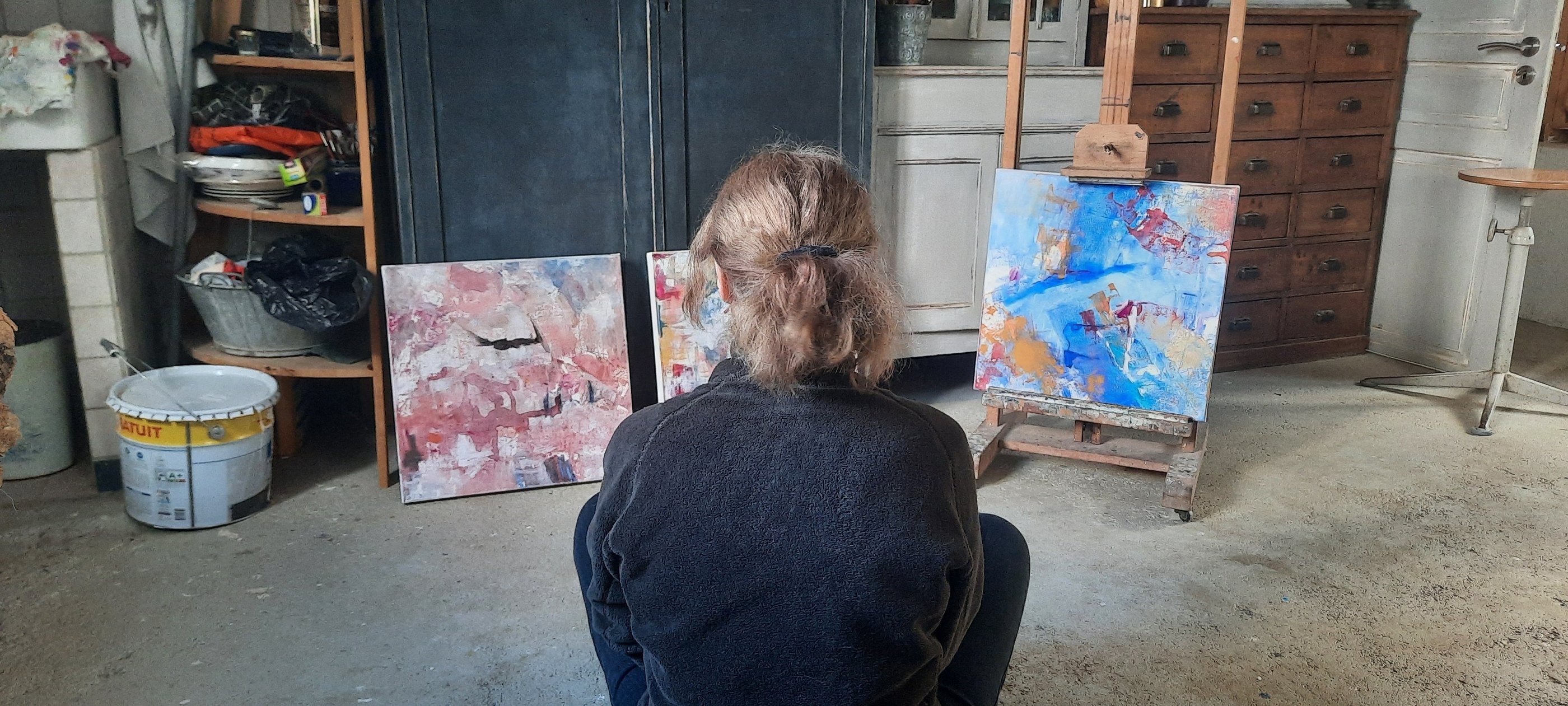
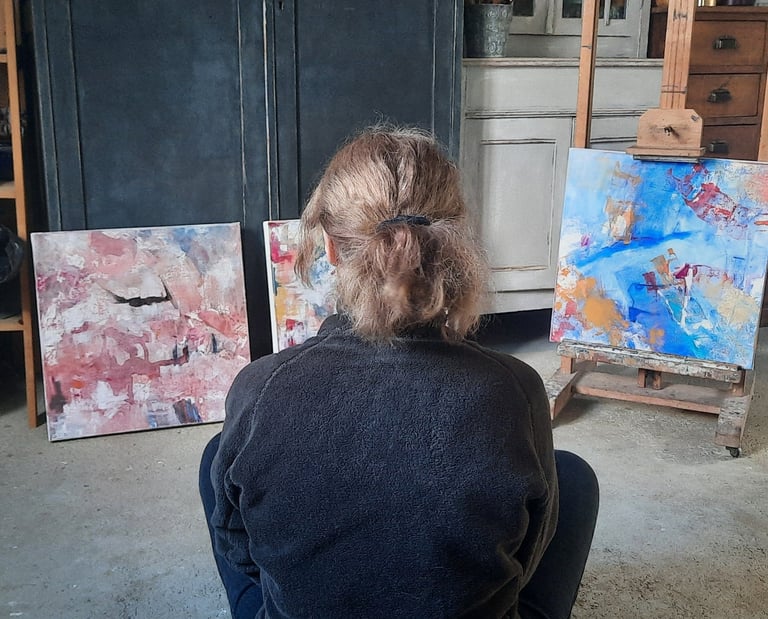
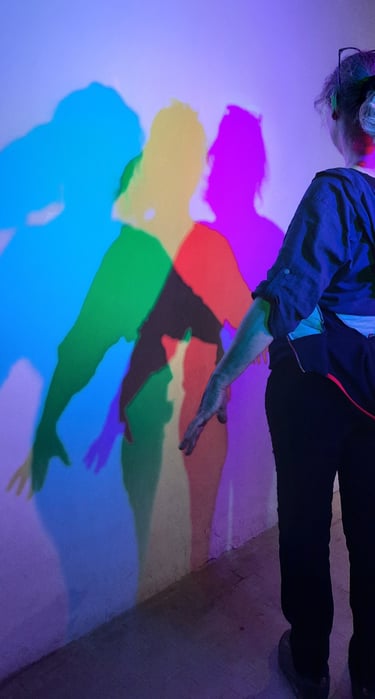
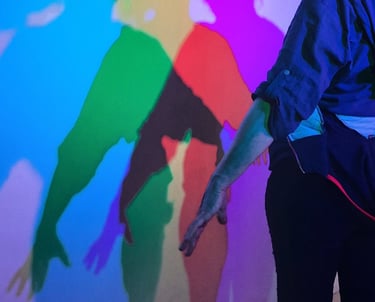
"Color, to me, is simply captured light. The way these shadows overlap and blend on the wall is the exact essence of my painting process.
I don’t paint to cover things up; I paint to build a history. By working with thin, transparent layers of oil, acrylic, or ink, I allow the earlier brushstrokes to breathe through the final surface. I want the canvas to hold onto its own memory—creating a quiet depth that invites you to look closer and travel through the layers of time."
Time and Techniques
Oil


Oil painting is a medium of patience and luminosity, allowing for rich, slow-building layers and seamless color blending. This traditional technique creates deep, resonant textures that give the canvas a lasting, physical weight.


Lithography
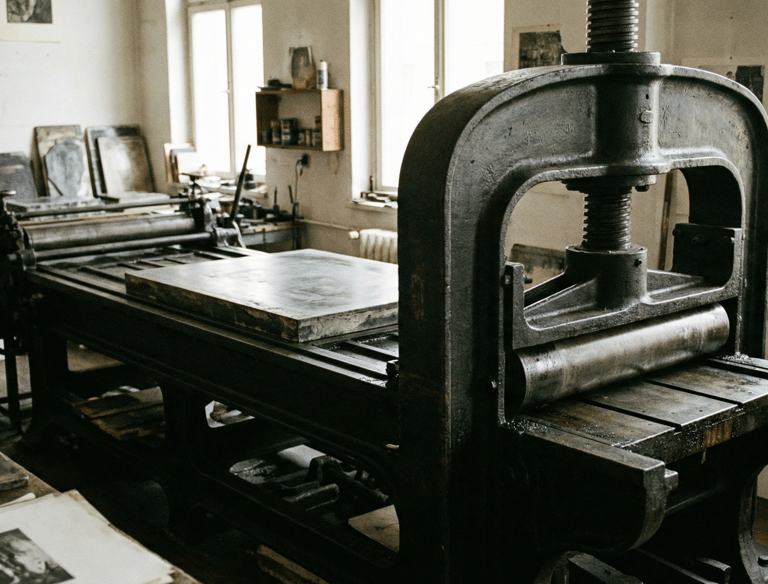
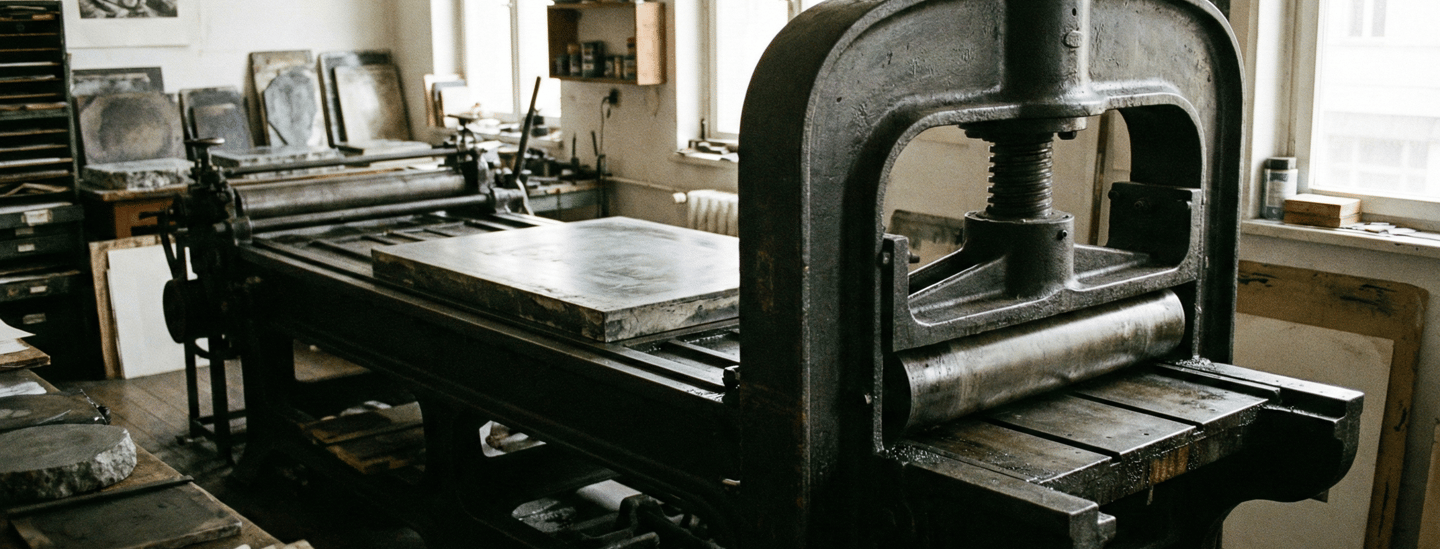
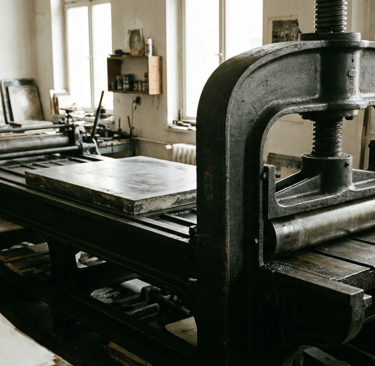
Lithography is an intricate printmaking process relying on the chemical repulsion of oil and water on a flat stone or metal matrix. It perfectly captures the tactile gesture of the artist's hand, translating raw, immediate sketches into rich graphic editions.
Acrylic is a dynamic, fast-drying medium that enables rapid layering, sharp structural contrasts, and bold color blocking. Its versatility allows for immediate, intuitive reactions on the canvas, ranging from thin atmospheric washes to heavy impasto.
Acrylic
"For me, time is as much a material as oil or acrylic. A painting is never just a snapshot of a single second; it is a slow accumulation of days, observations, and shifting light.
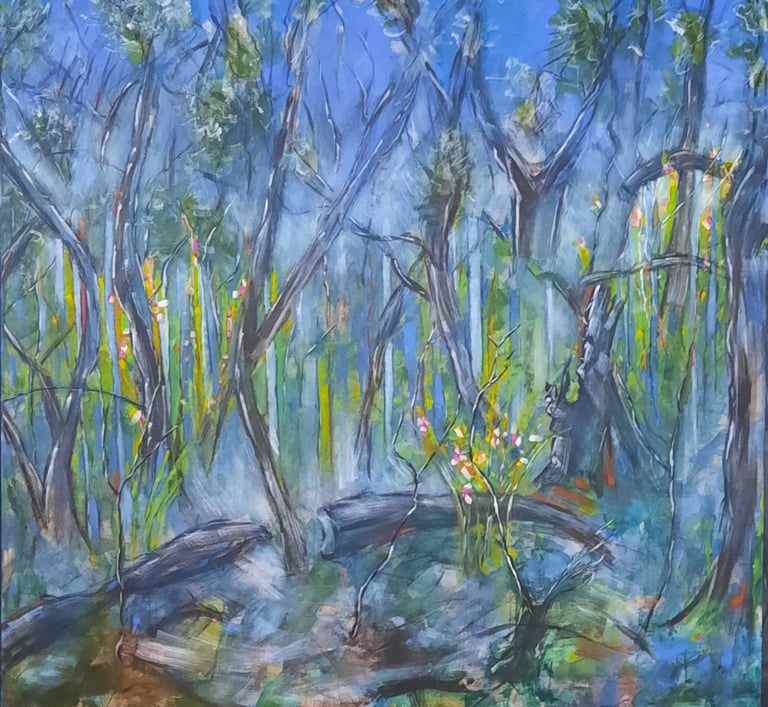
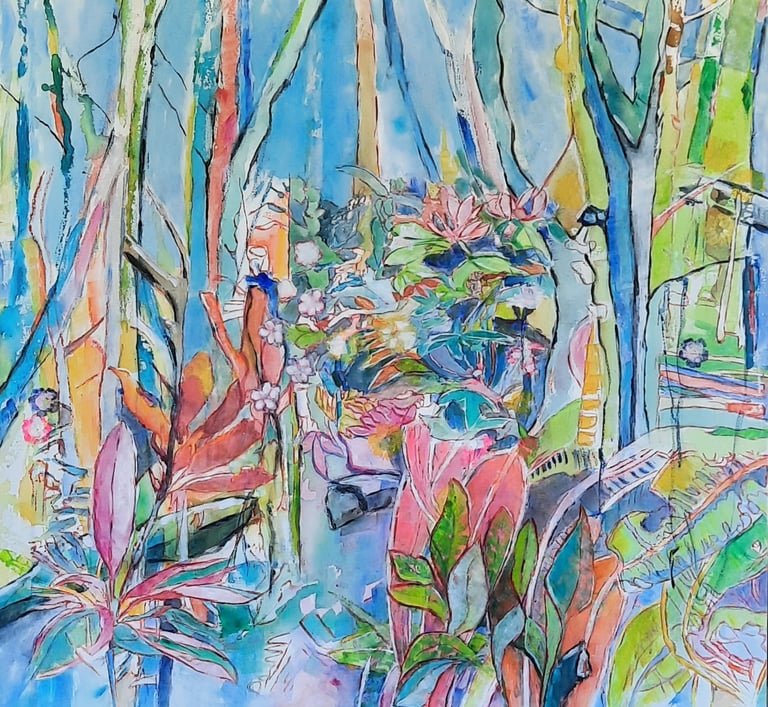
This relationship with time became the absolute focus of my Fire series. I didn't want to just paint a ruined landscape; I wanted to observe it heal. The first canvas captures the raw, charred immediacy just after the fire. The second, painted six months later, reveals the subtle, quiet return of structure and color. The final piece, two years on, is a testament to resilience and overgrowth. Through the slow, deliberate layering of the paint, I wasn't just documenting a place. I was painting the passage of time itself."
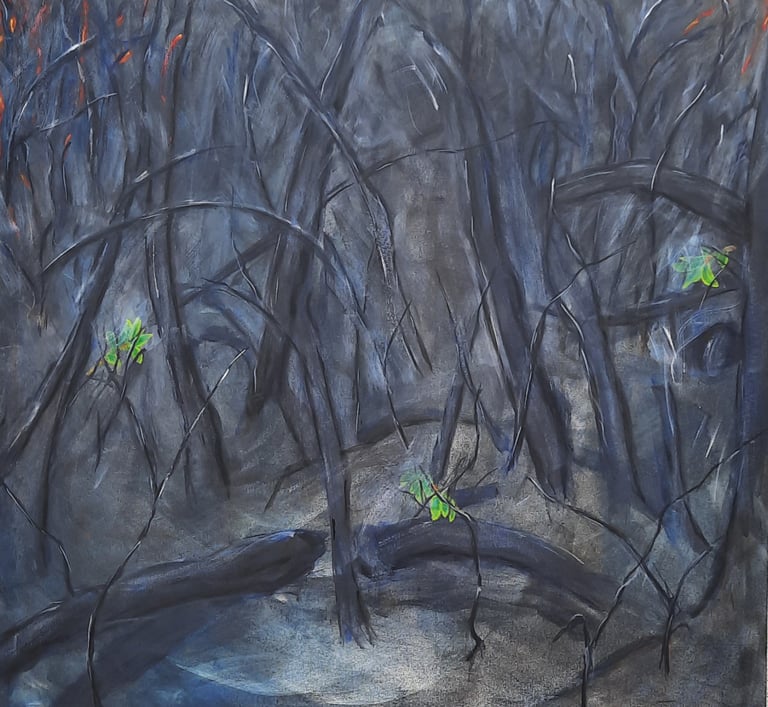
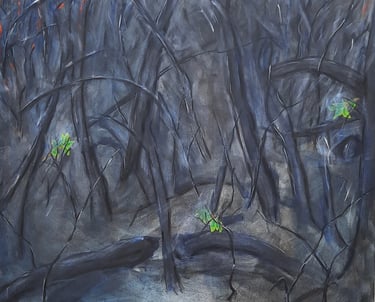
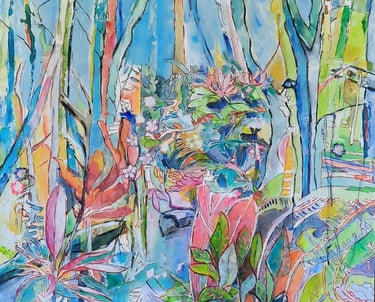
Study I: The Aftermath
Study II: Six Months Later
Study III: Two Years After
Materials and Supports
While the canvas absorbs the brush, the press and the wood demand a completely different physical engagement. Here, creation is found in resistance. Stepping away from the fluidity of paint, the studio becomes a space of carving, scratching, and heavy pressure. A place where the artist must constantly negotiate with the raw weight and unpredictable nature of the material itself.
The Lithography Foundation
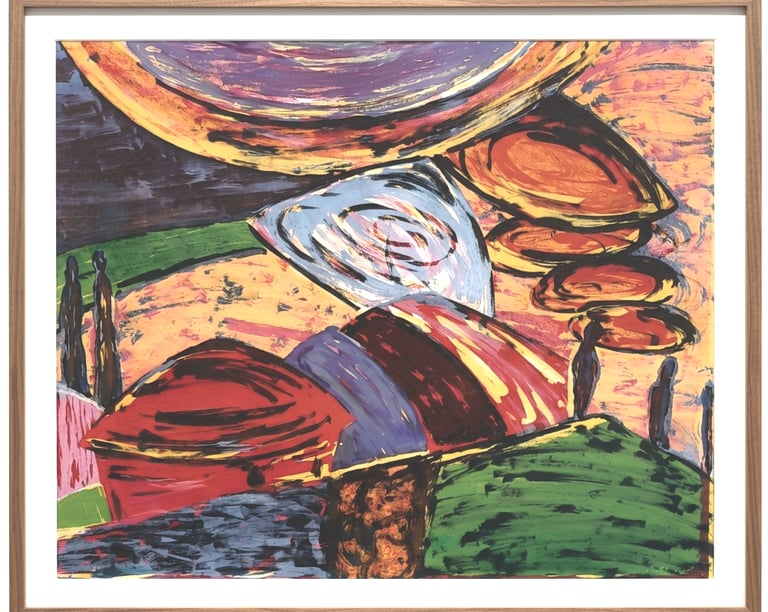
"Long before I explored the slow accumulation of oil or the brightness of acrylic, my foundation was built on the lithographic press. Lithography was one of the very first techniques I learned and specialized in, and it fundamentally shaped my artistic vocabulary.
The nature of printmaking demands a radical deconstruction of the image: every single color must be separated, carved, and printed as an individual layer. Watching how a translucent ink interacts when pressed over another, how they blend to create an entirely new, luminous hur, became the blueprint for my painting process. It taught me that true depth is not achieved all at once, but through the patient, deliberate stratification of pigment and light."
The Linography Experiments
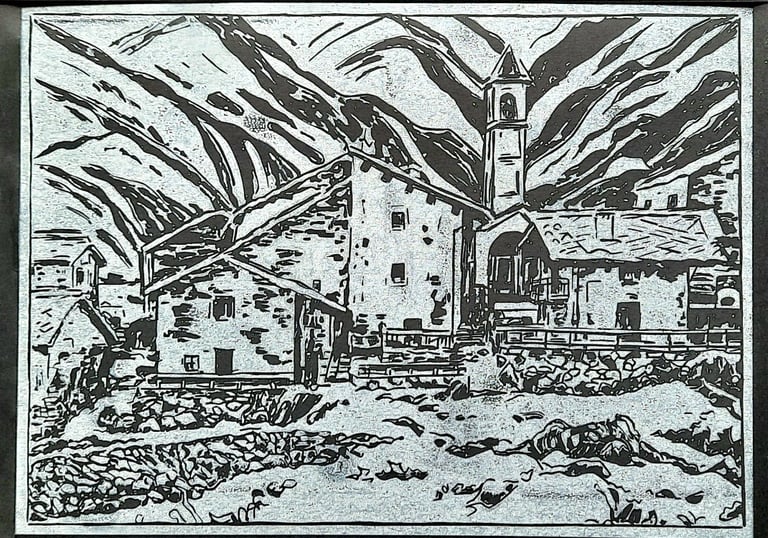
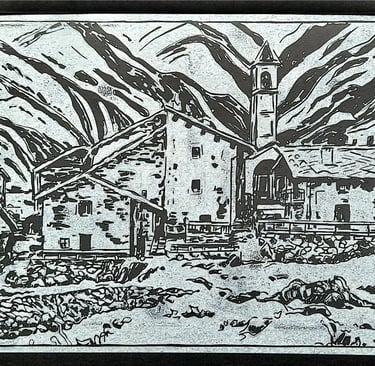
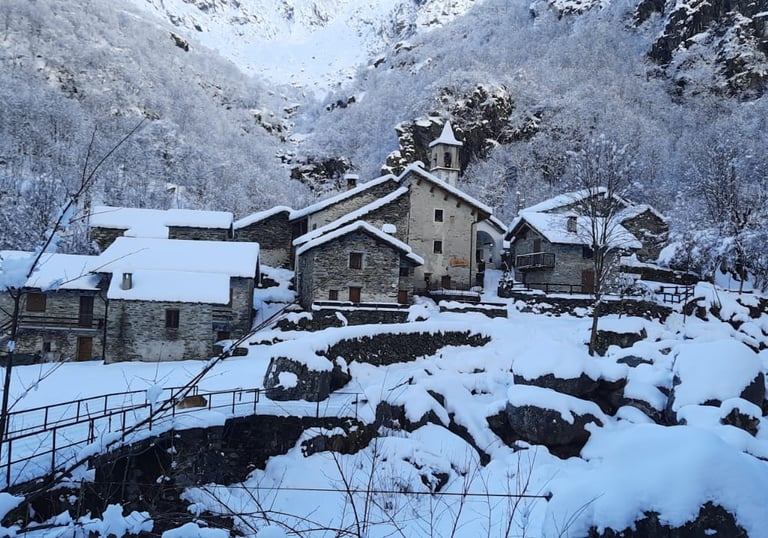
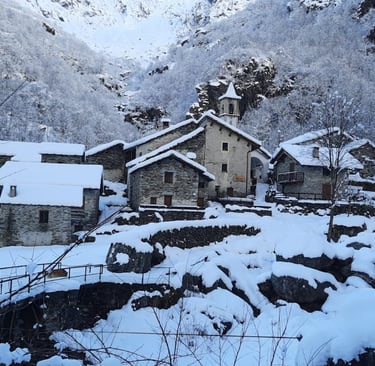
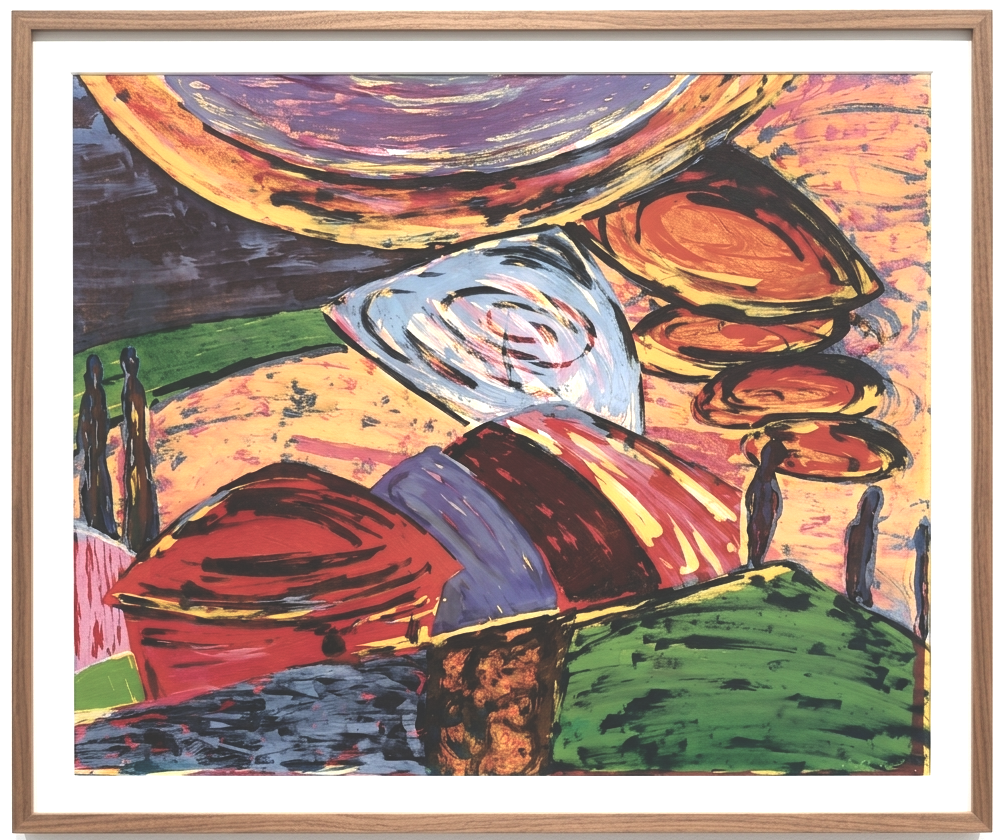
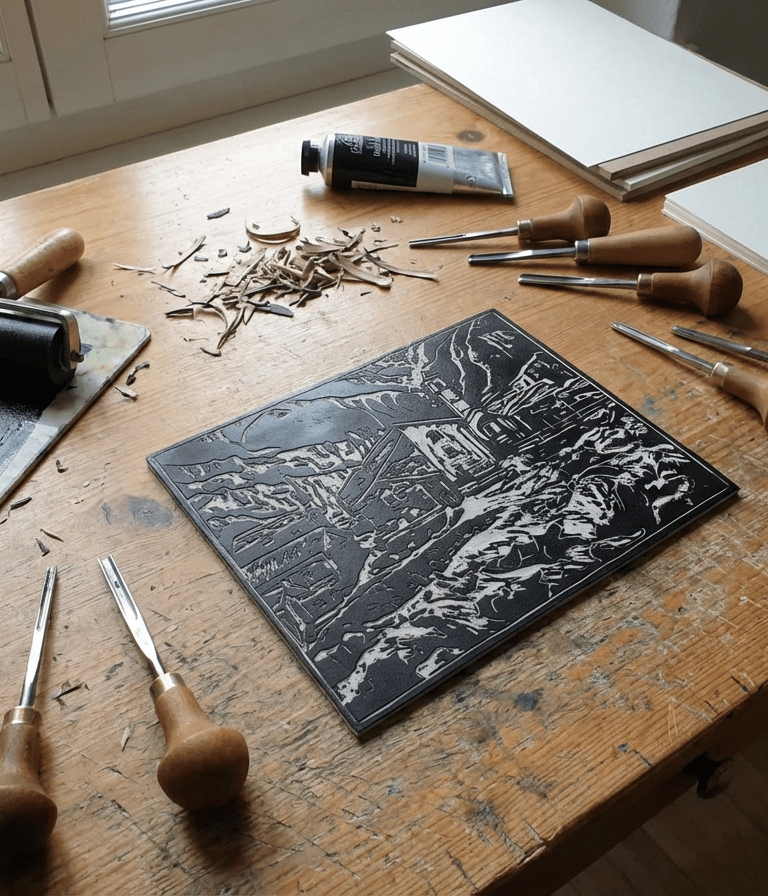
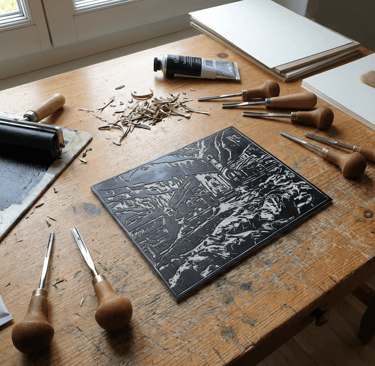
"My discovery of linography was completely tied to my environment. While living temporarily in the Italian Alps, surrounded by the sharp, dramatic light of the mountains and the quiet geometry of the local villages, I needed a medium that felt as physical as the landscape itself.
Carving into linoleum is a purely subtractive process. You are literally cutting away the darkness to let the light in. Each mark made by the gouge has to be decisive. Translating those alpine ridges and steep, shadowed roofs into high-contrast prints allowed me to capture the raw, structural essence of the mountains in a way that fluid paint simply couldn't."
The Industrial Experiments
Light on Aluminium (The Metal Editions)
"Recently, I have begun translating selected acrylic works onto aluminium dibond. I was looking for a way to capture the luminosity of the Urban Rhythms without the barrier of glass.
The metal surface interacts with ambient light, making the whites shimmer and the blacks deeper. It transforms the painting into a sleek, architectural object."
- Coby
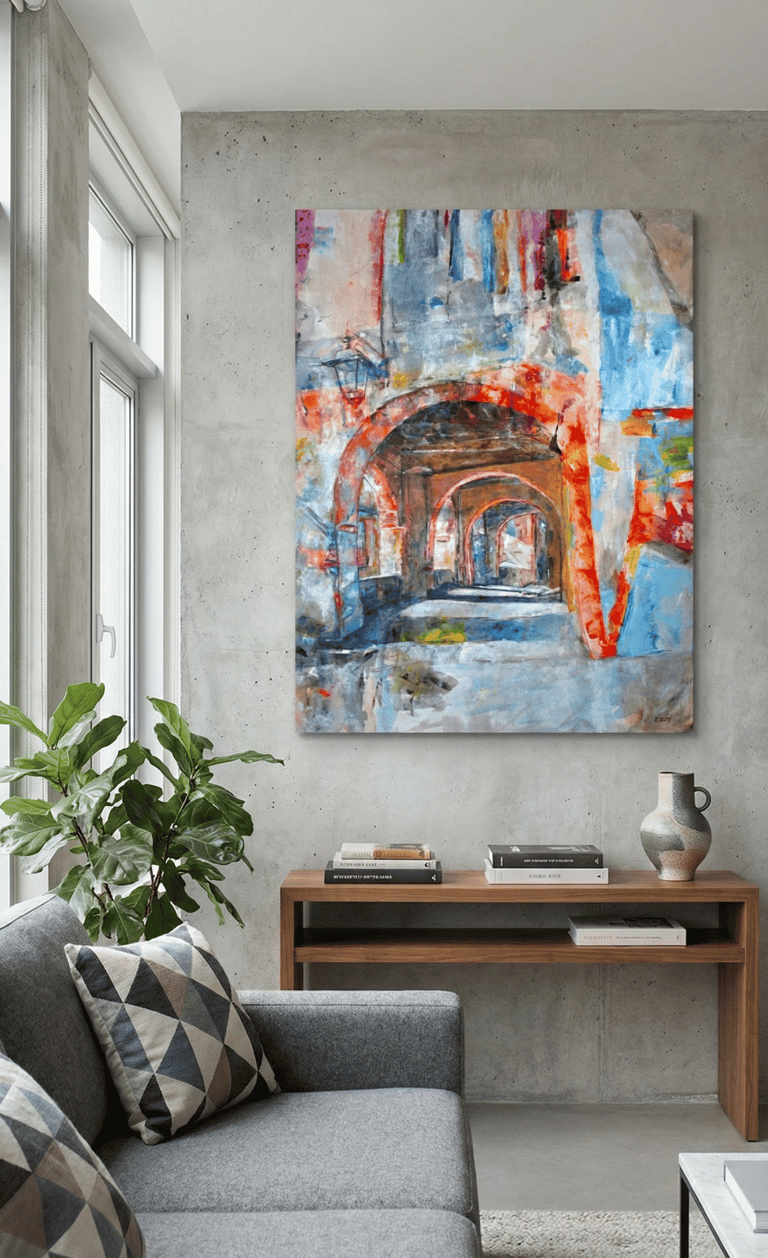
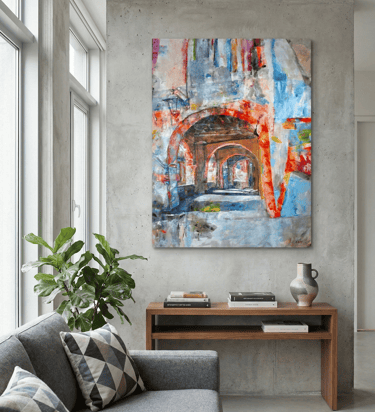
The Metal Editions
A limited selection of these aluminium works is available for collectors.
Spaces and Environments
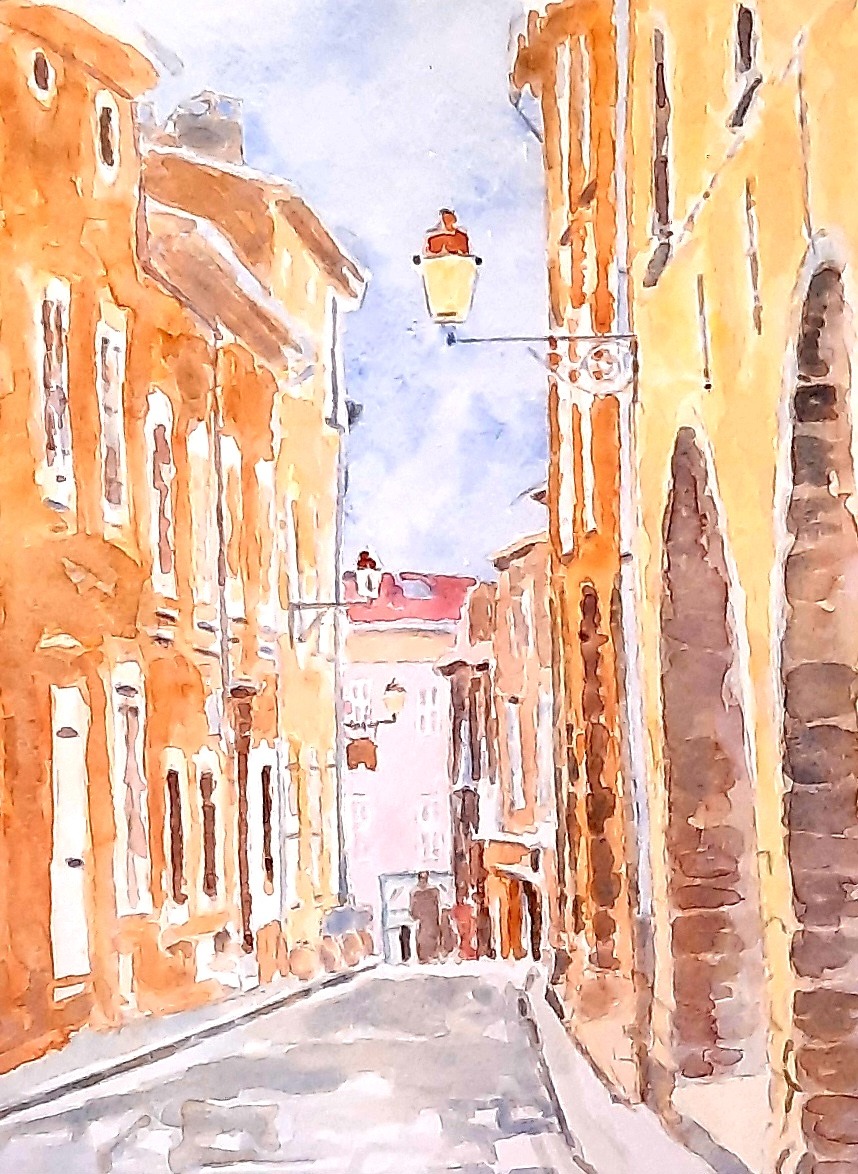
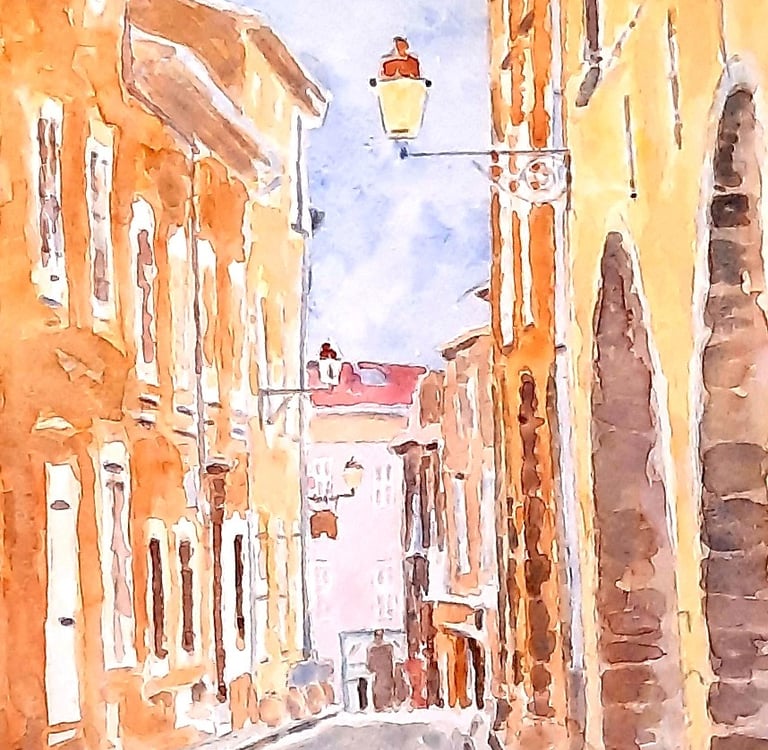
The travel log
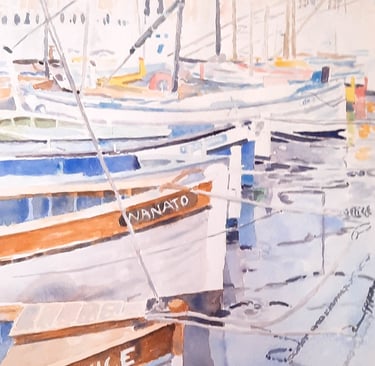
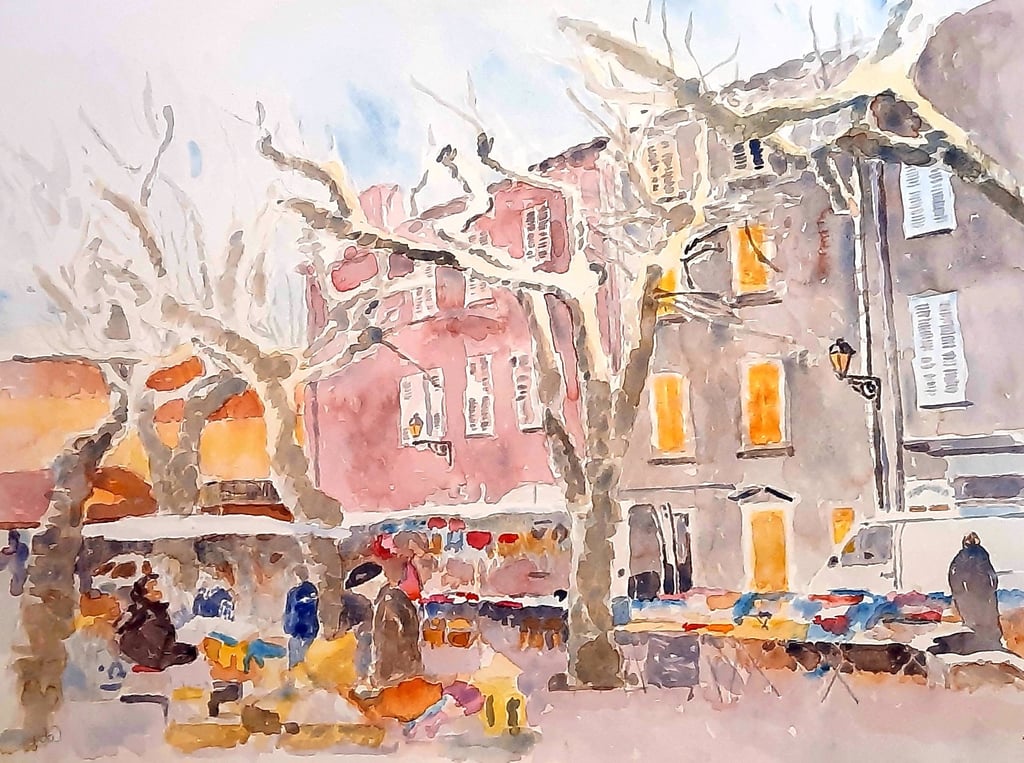
"Away from the studio, the heavy acrylics are replaced by the immediacy of watercolor. These are my field notes—capturing the fleeting light of the South of France."
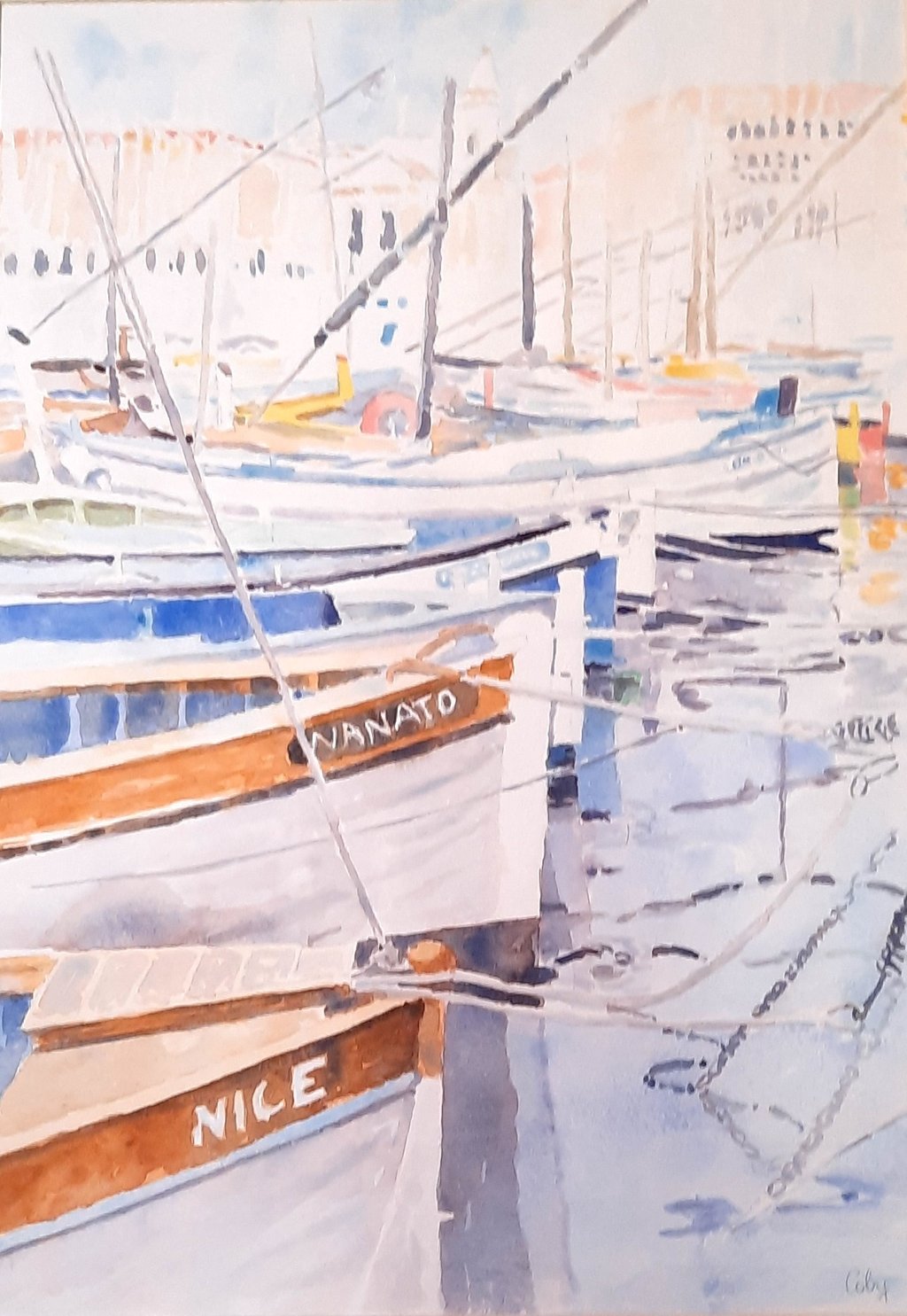
The Selected Works
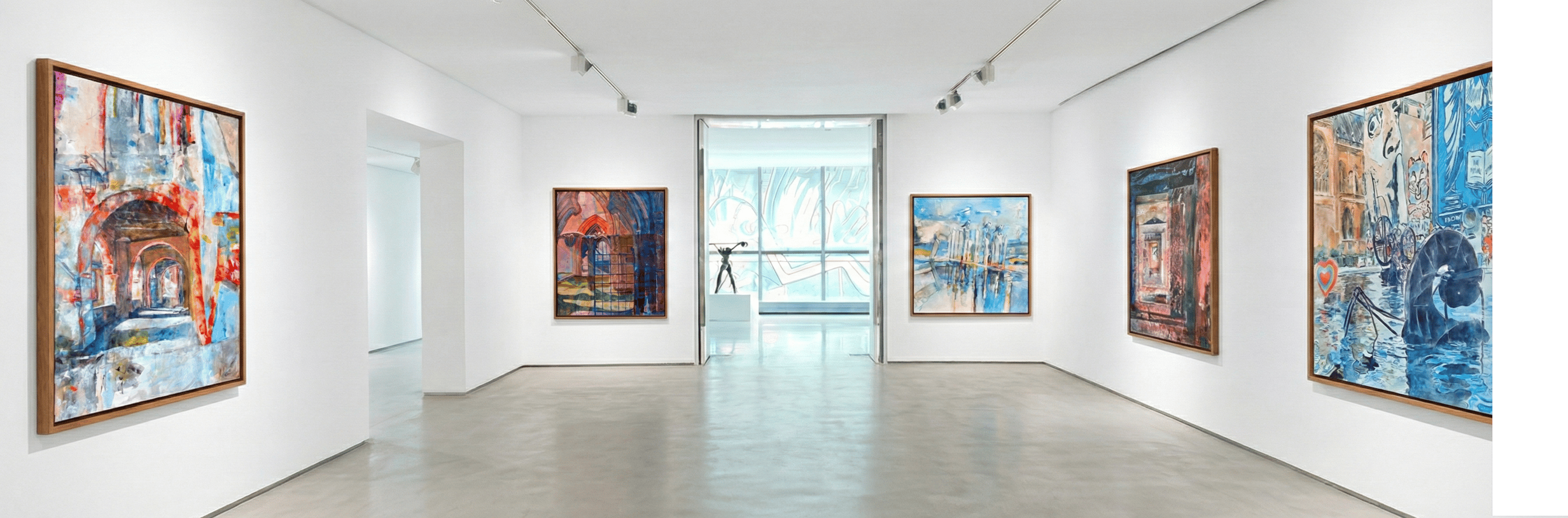
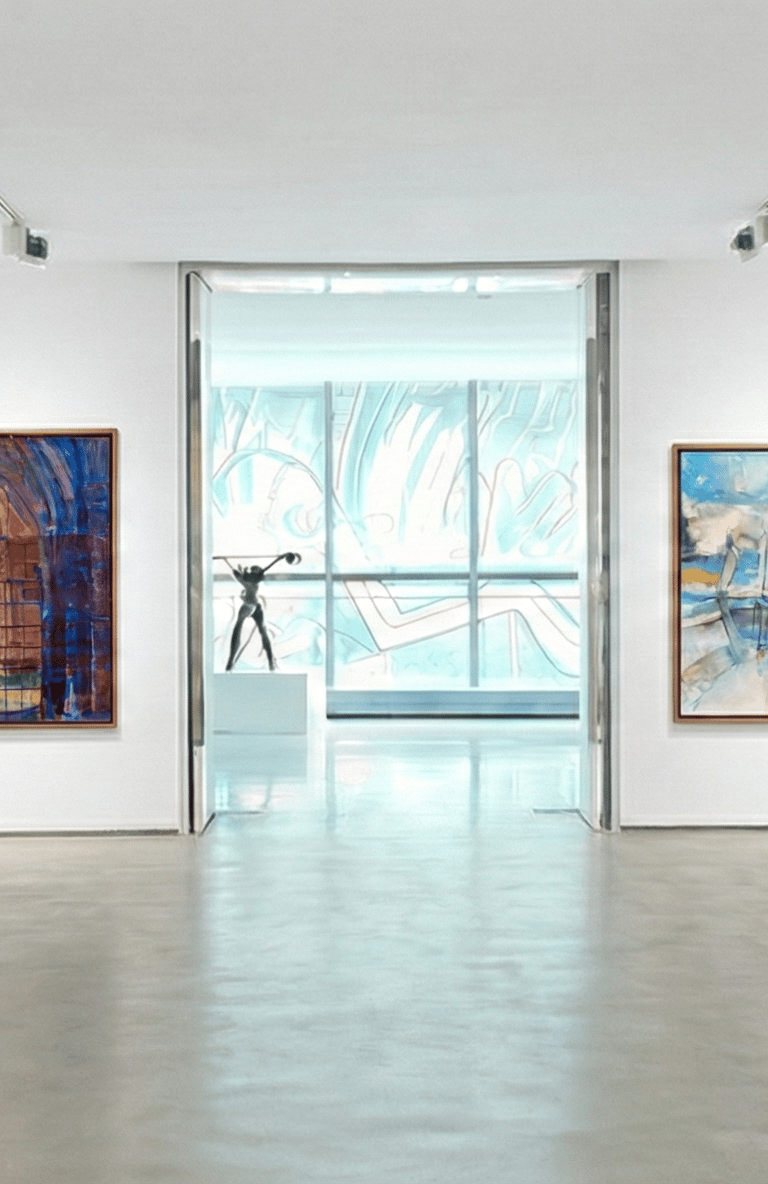
Journey through current and archived series. A curated look into the artist's ongoing exploration of form, light, and architecture.
View the Art in Person
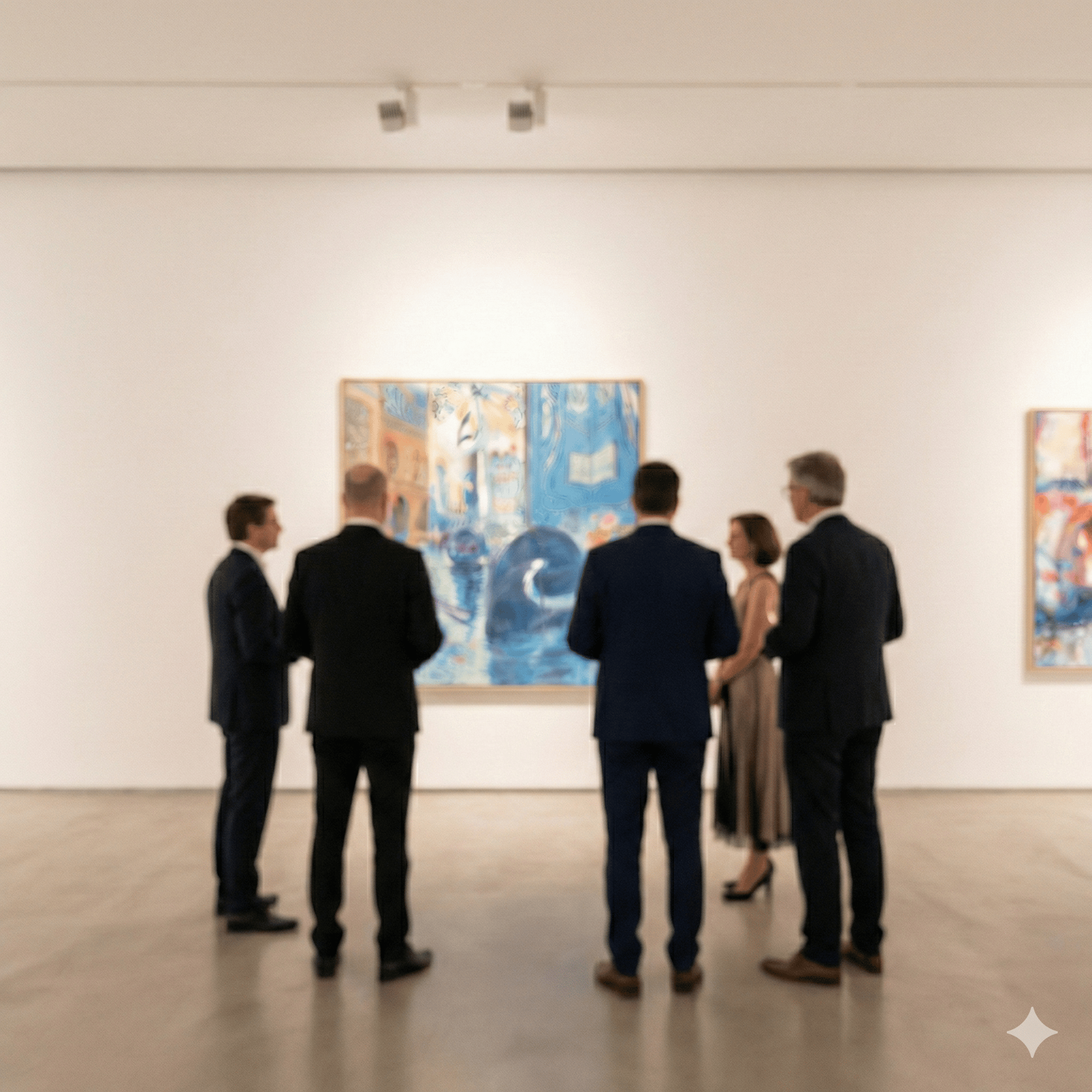
Experience the scale, depth, and physical presence of the artworks firsthand. Discover current gallery representations and upcoming exhibitions.